 English
Podcast: Dr Kiran Narayanan
ജീവലോകത്തിലെ വിസ്മയകരമായ ഒരു വിഭാഗം ജീവികളാണ് പാമ്പുകൾ. കൈകാലുകളില്ലാത്ത, കുഴൽ പോലെ നീണ്ട ഇവയുടെ ശരീരം ശൽക്കാവൃതമാണ്. ഓരോ ദിവസവും വളർന്നുകൊണ്ടിരിക്കുന്ന മേഖലകളിലൊന്നാണ് പാമ്പുകളെ കുറിച്ചുള്ള പഠനം.
ജന്തുലോകത്തിൽ നട്ടെല്ലുള്ള ജീവിവർഗ്ഗങ്ങൾ ഉൾപ്പെടുന്ന വിഭാഗത്തിന്റെ പേര് കോർഡേറ്റ (Chordata) എന്നാണ്. ഇതിലെ റെപ്റ്റേലിയ (Reptilia) എന്ന ക്ലാസ്സിൽ, പല്ലികൾ ഉൾപ്പെടെയുള്ള സ്ക്വാമാറ്റാ (Squamata) എന്ന ഓർഡറിന്റെ ഉപവിഭാഗമായ സർപ്പന്റ്സിൽ (Serpentes) ഉൾപ്പെടുത്തിയാണ് ശാസ്ത്ര ലോകം പാമ്പുകളെ വർഗ്ഗീകരിച്ചിരിക്കുന്നത്. 20 കുടുംബങ്ങളിലായി 3600-ഓളം ഇനം പാമ്പുകൾ ലോകത്തുണ്ട്. ഇന്ത്യയിൽ മുന്നൂറോളം ഇനങ്ങളും കേരളത്തിൽ 12 കുടുംബങ്ങളിലായി നൂറിലധികം ഇനങ്ങളുമുണ്ട്.
കുരുടി പാമ്പുകൾ (Worm Snakes) ഉൾപ്പെടുന്ന ടിഫ്ലോപ്പിഡേ (Typhlopidae); കവചവാലൻ പാമ്പുകൾ ഉൾപ്പെടുന്ന യൂറോപെൽറ്റിഡേ (Uropeltidae); പെരുമ്പാമ്പുകൾ (Indian Rock Python) ഉൾപ്പെടുന്ന പൈത്തൊനിഡെ (Pythonidae); , മണ്ണൂലി പാമ്പ് (Common Sand Boa) ഉൾപ്പെടുന്ന ബോയിഡേ (Boidae); ചേര (Rat Snake), ചുവർ പാമ്പ് (Common Wolf Snake) എന്നിവ ഉൾപ്പെടുന്ന കൊളുബ്രിഡേ (Colubridae); മൂർഖൻ (Spectacled Cobra) വെള്ളിക്കെട്ടൻ (Common Krait) എന്നിവ ഉൾപ്പെടുന്ന ഇലാപ്പിഡേ (Elapidae), അണലി വർഗത്തിൽപെട്ട പാമ്പുകൾ ഉൾപ്പെടുന്ന വൈപ്പറിഡേ (Viperidae) എന്നീ കുടുംബങ്ങളാണ് കേരളത്തിൽ പ്രധാനമായും കണ്ടുവരുന്നത്..
പാമ്പുകളുടെ പുറം ശൽക്കങ്ങൾക്ക് ഇലാസ്തികത ഇല്ല. മാത്രമല്ല അവയ്ക്ക് മറ്റു ശൽക്കങ്ങളെ അപേക്ഷിച്ച് കട്ടി കൂടുതലുമാണ്. അതുകൊണ്ട് ഉള്ളിലെ കോശങ്ങൾ വളരില്ല. പുറംശൽക്കങ്ങൾ വളരാത്തതുകൊണ്ട് പാമ്പിന് വളർച്ചയ്ക്കനുസരിച്ച് അത് ഒരു കുപ്പായമൂരുന്നതു പോലെ ഊരിക്കളയേണ്ടതായി വരുന്നു.
പാമ്പുകൾക്ക് കണ്ണിനു മീതെ സുതാര്യമായ ഒരു ശൽക്കാവരണമുണ്ട്. നാവ് മണം പിടിക്കാൻ സഹായിക്കുന്നു. പലയിനത്തിനും ഇരയെ കൊല്ലാൻ വേണ്ടി വിഷവും വിഷപ്പല്ലുമുണ്ട്. ചില ഇനങ്ങൾക്ക് താപ സംവേദന സുഷിരങ്ങളുണ്ട്. കടൽ പാമ്പുകളിൽ ചിലയിനങ്ങൾക്ക് വാലിൽ വെളിച്ചം അറിയാനുള്ള സംവിധാനങ്ങളുണ്ട്. പാമ്പുകൾക്ക് ബാഹ്യകർണ്ണങ്ങളില്ല.
എല്ലാ പാമ്പുകളും ഇരയെ വേട്ടയാടിപ്പിടിച്ച് ഭക്ഷിക്കുന്ന മാംസഭുക്കുകളാണ്. പാമ്പുകളിൽ സസ്യഭുക്കുകളോ മിശ്രഭുക്കുകളോ ഇല്ല. ചില പാമ്പുകൾ പതിയിരുന്ന് ഇര പിടിക്കുന്നവ ആണെങ്കിൽ മറ്റുചിലത് ഇരയെ പിന്തുടർന്ന് പിടികൂടുന്നവയാണ്. ചിലത് ഇരയെ ചുറ്റി വരിഞ്ഞു ശ്വാസം മുട്ടിച്ചു ഞെരിച്ചു കൊന്ന് വിഴുങ്ങും. മറ്റു ചിലത് വിഷം കുത്തിവെച്ച് കൊല്ലുകയും വിഴുങ്ങുകയും ചെയ്യും.
ഇരയെ കടിച്ചുകീറാനോ ചവയ്ക്കാനോ ആവശ്യമായ വദനഭാഗങ്ങളോ പല്ലുകളോ അവയ്ക്ക് ഇല്ലാത്തത് കൊണ്ട് ഇരയെ വിഴുങ്ങുകയാണ് ചെയ്യുക. അതും മിക്കവാറും ഇരയുടെ തല മുതലാണ് ആദ്യം വിഴുങ്ങിത്തുടങ്ങുക. മിക്ക പാമ്പുകളും മുട്ട വിഴുങ്ങുമെങ്കിലും അതിന്റെ തോട് ഛർദ്ദിച്ചു കളയാറാണ് പതിവ്. മണ്ണിര, ചിതൽ, ഉറുമ്പിന്റേയും മറ്റും മുട്ട, തേൾ എന്നിവ മുതൽ തവള, എലി, മത്സ്യം, പക്ഷി, തുടങ്ങിയവ വരെയാണ് പൊതുവെ പാമ്പുകളുടെ ആഹാരമെങ്കിലും പെരുമ്പാമ്പിനെപ്പോലുള്ള വലിപ്പം കൂടിയ പാമ്പുകൾ പൂച്ച, നായ, കുറുക്കൻ, മാൻ തുടങ്ങിയ ഇത്തിരി വലിയ സസ്തനികളേയും ആഹാരമാക്കാറുണ്ട്. അപൂർവം ചില പാമ്പുകൾ ചിലന്തികളേയും ഒച്ചുകളേയും പോലും ഭക്ഷണമാക്കാറുണ്ട്. മറ്റു പാമ്പുകളെ ഭക്ഷിക്കുന്ന പാമ്പുകളും ഉണ്ട്.
ഇന്ത്യയിലെ പാമ്പുകളിൽ ഭൂരിഭാഗവും മുട്ടയിടുന്നവയാണ് (Oviparous). ചിലയിനം പാമ്പുകളുടെ മുട്ട വയറിനുള്ളിലിരുന്ന് വിരിഞ്ഞ് കുഞ്ഞുങ്ങൾ പുറത്ത് വരുന്നു (Ovoviviparous). അപൂർവ്വം ചിലത് നേരിട്ട് കുഞ്ഞുങ്ങളെ പ്രസവിക്കുന്നു (Viviparous).
പാമ്പുകൾക്ക് ആന്തര ലൈംഗിക അവയവങ്ങളാണുള്ളത്. ആൺ പാമ്പുകൾക്ക് രണ്ട് ശിഖരങ്ങൾ പോലെ അഗ്രഭാഗം ഉള്ള ഇരട്ട ലിംഗമാണുള്ളത് (hemipenis). ആൺ പാമ്പുകളുടെ വാലിന്റെ തുടക്കത്തിൽ ചെറിയൊരു മുഴ പോലെ ഈ ആന്തരലിംഗങ്ങൾ നമുക്ക് അറിയാൻ കഴിയും. അവയുടെ വാൽ സാധാരണയായി നീളം കൂടിയവയായിരിക്കുകയും ചെയ്യും.
ഓരോ ഇനം പാമ്പുകൾക്കും വർഷത്തിൽ ഒന്നോ രണ്ടോ ഇണ ചേരൽ കാലങ്ങൾ ഉണ്ടായിരിക്കും. ഇത് പലപ്പോഴും ഓരോ സ്ഥലത്തേയും ഭൂപ്രകൃതിക്കനുസരിച്ച് (അന്തരീക്ഷതാപനില, മഴ, വരൾച്ച തുടങ്ങിയവ) വ്യത്യാസപ്പെടുകയും ചെയ്യും. ആൺ പാമ്പുകൾ പെൺ പാമ്പുകളുടെ ഫിറമോൺ മണം പിന്തുടർന്നാണ് അവയെ കണ്ടെത്തുക. ഈ സമയത്ത് ഒന്നിലേറെ ആൺപാമ്പുകൾ പെൺപാമ്പിന്റെ ഫിറമോൺ മണത്തിൽ ആകൃഷ്ടരായി അവളെ തേടി വരികയും അങ്ങനെ വരുന്ന ആണുങ്ങൾ തമ്മിൽ മത്സരമുണ്ടാകുകയും ചെയ്യാറുണ്ട്. വാസ സ്ഥലങ്ങൾക്ക് വേണ്ടിയും ഈ രീതിയിൽ ആൺപാമ്പുകൾ തമ്മിൽ അടിയുണ്ടാക്കാറുണ്ട്.
ഇത്തരം കപടയുദ്ധങ്ങളെയാണ് (കടിയോ കൊല്ലലോ ഇത്തരം ബലപരീക്ഷണങ്ങളിൽ പതിവില്ല) നമ്മൾ പലപ്പോഴും പാമ്പുകളുടെ ഇണചേരലായി തെറ്റിദ്ധരിക്കുന്നത്. (വളരെ അപൂർവമായി ആൺപാമ്പും പെൺപാമ്പും തമ്മിലും ഇത്തരം വഴക്കുകൾ ഉണ്ടാകാറുണ്ട്.) രാജവെമ്പാല, ചുരുട്ടമണ്ഡലി, വെള്ളിക്കെട്ടൻ, ചുവർപ്പാമ്പ്, ചേര തുടങ്ങിയ ഇനങ്ങളിലാണ് ഇത്തരം യുദ്ധനൃത്തങ്ങൾ കാണാറുള്ളത്. ഇത്തരം യുദ്ധനൃത്തങ്ങൾ ചിലപ്പോൾ ഒന്നോ അതിലധികമോ മണിക്കൂറുകൾ നീണ്ടുനിന്നേക്കാം.
ഇണചേരൽ സമയത്ത് ആൺപാമ്പ് പെൺപാമ്പിനെ തട്ടിയും തഴുകിയും മെല്ലെ കടിച്ചുമൊക്കെ ഉണർത്തുകയും അവന്റെ ഇരട്ടലിംഗത്തിന്റെ ഒരു ശിഖരം പെൺപാമ്പിന്റെ ഉദരസുഷിരത്തിനുള്ളിൽ കയറ്റുകയും ചെയ്യുന്നു. ഇങ്ങനെയുള്ള ഇണചേരൽ മണിക്കൂറുകളോളം ചിലപ്പോൾ നീണ്ടുനിന്നേക്കാം.
ഇണചേരൽ കഴിഞ്ഞ് 30 - 50 ദിവസങ്ങൾ കൊണ്ട് പെൺപാമ്പിന്റെ വയറ്റിൽ മുട്ടകൾ പാകപ്പെടുകയും പാമ്പിന്റെ ഇനത്തിനനുസരിച്ച് അഞ്ചോ ആറോ മുട്ടകൾ മുതൽ നാല്പതോ നാല്പത്തഞ്ചോ മുട്ടകൾ വരെ ഇടുകയും ചെയ്യും. ഈ മുട്ടകളുടെ ആകൃതി പൊതുവേ ഒരു ദീർഘവൃത്തം (അണ്ഡാകൃതി) ആയിരിക്കും. തൊട്ടു നോക്കിയാൽ തൊലിയിൽ തൊടുന്നതുപോലെ (leathery) തോന്നുകയും ചെയ്യും. ആവശ്യമായ അന്തരീക്ഷോഷ്മാവും ഈർപ്പവും കൃത്യമായി ലഭിച്ചാൽ മാത്രമേ ഇവ ഏകദേശം 60 - 70 ദിവസങ്ങൾ കൊണ്ട് വിരിഞ്ഞ് കുഞ്ഞുങ്ങൾ പുറത്തു വരൂ.
ഭൂരിഭാഗം പാമ്പുകൾക്കും വിഷമില്ല. ചിലതിന് അതിന്റെ ഇരയെ കൊല്ലാൻ മാത്രം നേരിയ വിഷം. വളരെ ചുരുക്കം ചില ഇനങ്ങൾക്ക് മാത്രമേ മനുഷ്യനേയോ മറ്റ് വലിയ ജീവികളേയോ കൊല്ലാൻ മാത്രം മാരകമായ വിഷമുള്ളൂ.
വിഷം രൂപപ്പെടുന്നത് വിഷഗ്രന്ഥികളിലാണ്. പാമ്പുകളുടെ വായ്ക്ക് മുകളിൽ, കണ്ണിന് പിന്നിലായാണ് വിഷഗ്രന്ഥി. രൂപഭേദം സംഭവിച്ച ഉമിനീർ ഗ്രന്ഥി ആണ് പാമ്പുകളുടെ ഈ വിഷഗ്രന്ഥി. ഈ വിഷഗ്രന്ഥിയിൽ രൂപപ്പെടുന്ന വിഷം നേരിയ ഒരു കുഴൽ വഴി വിഷപ്പല്ലുകളുടെ ചുവടറ്റത്ത്, പല്ലിലെ നാളികളിലേക്ക് തുറക്കുന്നു. ഇരയെയോ ശത്രുവിനെയോ കടിക്കുമ്പോൾ വിഷഗ്രന്ഥി അമരുകയും വിഷം ഈ കുഴലിലൂടെ പല്ലിലെ നാളിയിലേക്ക് എത്തുകയും ചെയ്യും. ഇൻജക്ഷൻ സിറിഞ്ചിന്റെ സൂചി പോലെ ഇരയുടെയോ ശത്രുവിന്റെയോ ശരീരത്തിലേക്ക് തുളഞ്ഞിറങ്ങുന്ന പല്ലുകൾ വഴി ഈ വിഷം അവയുടെ ശരീരത്തിൽ പ്രവേശിക്കും.
വിഷപ്പല്ലുകളുടെ ഘടന ഇരയിൽ അല്ലെങ്കിൽ ശത്രുവിൽ വിഷമേല്പിക്കാൻ സമർത്ഥമായ രീതിയിൽ ഉള്ളതാണ്. സാധാരണയായി പാമ്പുകളിൽ വിഷപ്പല്ല് മേൽത്താടിയിൽ ഇരുവശത്തുമായാണ് കാണാറുള്ളത്. അവ മറ്റു പല്ലുകളെക്കാൾ വലുതായിരിക്കും. ചിലയിനം പാമ്പുകൾക്ക് വായയുടെ മുന്നറ്റത്ത് മുകളിൽ ഇരുവശത്തുമായിട്ടായിരിക്കും വിഷപ്പല്ലുകൾ കാണുക. ഇത്തരം പാമ്പുകളെ proteroglyphs എന്ന് വിളിക്കുന്നു. മൂർഖൻ, വെള്ളിക്കെട്ടൻ എന്നിവ ഇതിന് ഉദാഹരണങ്ങളാണ്. ചിലയിനങ്ങൾക്ക് ഈ പല്ലുകൾ നീളം കൂടിയതും പിന്നിലേക്ക് മടക്കിവെക്കാവുന്ന തരത്തിലുള്ളതുമാണ്. ഇതാണ് ഏറ്റവും വികാസം പ്രാപിച്ച വിഷപ്പല്ലുകൾ. ഇത്തരം വിഷപ്പല്ലുള്ള പാമ്പുകളെ solenoglyphs എന്ന് വിളിക്കുന്നു. അണലി വർഗ്ഗത്തിൽ പെട്ട പാമ്പുകൾ ഇതിന് ഉദാഹരണമാണ്. വായിൽ, മേൽത്താടിയുടെ പിന്നറ്റത്തായി വിഷപ്പല്ലുള്ളവയാണ് മറ്റൊരിനം. ഇവയെ opisthoglypha എന്നാണ് വിളിക്കുന്നത്. വായിൽ പിന്നറ്റത്താണ് വിഷപ്പല്ലുകളുടെ സ്ഥാനം എന്നുള്ളതു കൊണ്ട് ഇവയുടെ കടി മാരകമാകാറില്ല. പച്ചിലപ്പാമ്പ്, നാഗത്താൻ പാമ്പ്, പൂച്ചക്കണ്ണൻ പാമ്പ് തുടങ്ങിയവ ഉദാഹരണം.
വിഷപ്പല്ലുകളില്ലാത്ത പാമ്പുകളെ പൊതുവായി aglypha എന്ന് വിളിക്കാറുണ്ട്.
ഇതു കൂടാതെ അപൂർവം ചിലയിനം പാമ്പുകൾക്ക് അവയുടെ കഴുത്തിന്റെ പിൻഭാഗത്ത് തൊലിക്കടിയിൽ കാണപ്പെടുന്ന Nuchal glands എന്നറിയപ്പെടുന്ന ഗ്രന്ഥിയിൽ ചിലയിനം വിഷപദാർത്ഥങ്ങൾ കാണാറുണ്ട്. ഇത്തരം പാമ്പുകളെ ആഹാരമാക്കാൻ ശ്രമിക്കുന്ന ജീവികൾ, ഈ പാമ്പുകളെ പിടികൂടാൻ ശ്രമിക്കുമ്പോൾ കഴുത്തിന് പിന്നിലെ തൊലിയിലൂടെ അവയുടെ വായിലേക്ക് ഈ വിഷപദാർത്ഥങ്ങൾ ഊറിയിറങ്ങുകയും അവയെ അത് പ്രതികൂലമായി ബാധിക്കുകയും ചെയ്യും. Himalayan Red-necked Keelback എന്നയിനം പാമ്പ് ഇതിനുദാഹരണമാണ്.
പാമ്പുകളുടെ ജീവിതകാലത്ത് പല തവണ അവയുടെ വിഷദന്തങ്ങൾ പൊഴിഞ്ഞു പോകുകയും പകരം പുതിയവ ഉണ്ടാകുകയും ചെയ്യും.
ഗാഢത കൂടിയ ചിലയിനം രാസാഗ്നികളുടേയും മാംസ്യങ്ങളുടേയും വിഷവസ്തുക്കളുടേയും മിശ്രിതമാണ് പാമ്പുവിഷം. ഇത് രക്തപര്യയനവ്യവസ്ഥയിലെത്തുമ്പോഴാണ് മാരകമായ ഫലങ്ങൾ ഉണ്ടാകുക. നമ്മുടെ നാട്ടിൽ കരയിലെ പാമ്പുകളിൽ പ്രധാനമായും രണ്ടുതരം വിഷങ്ങളാണ് കാണപ്പെടുന്നത്. നാഡീവ്യവസ്ഥയുടെ പ്രവർത്തനങ്ങളെ പ്രതികൂലമായി ബാധിക്കുന്ന Neurotoxic വിഷവും രക്തപര്യയനവ്യവസ്ഥയുടെ പ്രവർത്തനങ്ങളെ പ്രതികൂലമായി ബാധിക്കുന്ന Haemotoxic വിഷവും.
മൂർഖൻ, വെള്ളിക്കെട്ടൻ തുടങ്ങിയ എലാപിഡേ വിഭാഗങ്ങളുടെ വിഷം നാഡീവ്യവസ്ഥയെ ആണ് പ്രധാനമായും ബാധിക്കുന്നത്. Neurotoxin, cardiotoxin, cholinesterase, phospholipase-A, hyaluronidase, proteases, histamine തുടങ്ങിയവ ഇവരുടെ വിഷത്തിൽ അടങ്ങിയിരിക്കുന്നു. അണലി വിഭാഗത്തിൽ പെട്ട പാമ്പുകളുടെ വിഷം രക്തചംക്രമണ വ്യവസ്ഥയെ പ്രധാനമായും ബാധിക്കുന്നു. Phospholipase-A, B, C, D, hyaluronidase, lecithinase, proteases, cytolysin, proteinase, histamine, thromboplastin, 5-hydroxytryptamine തുടങ്ങിയവ ഇവരുടെ വിഷത്തിൽ അടങ്ങിയിരിക്കുന്നു.
മിക്ക പാമ്പുകളിലും ഇവയില് ഒന്നിലേറെ തരം വിഷങ്ങള് ഒന്നിച്ചു കാണാറുണ്ട്. അതുകൊണ്ടുതന്നെ ഒരു പാമ്പിന്റെ കടിയിൽ തന്നെ രണ്ടുതരം വിഷങ്ങളുടേയും ലക്ഷണങ്ങൾ പ്രകടിപ്പിക്കുന്നത് അപൂർവമല്ല. കടൽ പാമ്പുകളുടെ വിഷം പ്രധാനമായും മാംസപേശികളെയാണ് ബാധിക്കുന്നത്. കൂടാതെ നാഡീവ്യവസ്ഥയേയും ഇവരുടെ വിഷം ബാധിക്കാറുണ്ട്.
എന്തായാലും ഒന്ന് മറക്കാതിരിക്കുക, പാമ്പുവിഷത്തിന്റെ പ്രാഥമിക ധർമ്മം ഇരയെ കീഴ്പ്പെടുത്തുക എന്നുള്ളത് തന്നെയാണ്. അപൂർവം ചില അവസരങ്ങളിൽ അത് സ്വരക്ഷയ്ക്ക് വേണ്ടിയും അവയ്ക്ക് ഉപയോഗിക്കേണ്ടി വരാറുണ്ടെന്നു മാത്രം. വല്ലാതെ അടുത്തു ചെന്നോ, കൈകൊണ്ട് പിടിക്കാൻ ശ്രമിച്ചോ, അശ്രദ്ധ കൊണ്ടോ, ഏറ്റവും കൂടുതൽ ബുദ്ധിവികാസമുള്ള ജീവികളായ നമുക്ക്, രണ്ടാമതു പറഞ്ഞ കാര്യം അവയെക്കൊണ്ട് ചെയ്യിക്കാതിരിക്കാം.
പ്രകൃതിയിലെ മറ്റേതൊരു ജീവിയേയും പോലുള്ള ഒരു ജീവി തന്നെയാണ് പാമ്പ്. എങ്കിലും പൊതുവെ ജീവികളെ കൊണ്ട് പ്രകൃതിക്ക് എന്തു ഗുണം എന്നുള്ള ചിന്തയ്ക്കു പകരം അവയെ കൊണ്ട് മനുഷ്യന് എന്തു ഗുണം എന്ന ചിന്തയാണ് എപ്പോഴും ആദ്യം നമ്മുടെ മനസ്സിലേക്ക് വരുന്നത്. ഒപ്പം അവയെ കൊണ്ട് നമുക്ക് ദോഷമെന്തെങ്കിലുമുണ്ടോ എന്ന ചിന്തയും. ആ ചിന്തയാണ് നമ്മളെക്കൊണ്ട് പാമ്പുകളെ കൊല്ലിക്കുന്നത്.
നമ്മുടെ ധാന്യങ്ങളുടെ നല്ലൊരു ശതമാനം തിന്നു നശിപ്പിക്കുന്ന എലികളെപ്പോലുള്ള ജീവികളെ അവയുടെ മാളത്തിനുള്ളിൽ കടന്നുകയറി തിന്നൊടുക്കാൻ ഇത്ര സമർത്ഥമായി കഴിയുന്ന മറ്റൊരിനം ജീവിയില്ലെന്നുള്ളതോ Cobroxin, Nyloxin തുടങ്ങിയ ഔഷധങ്ങളുടെ നിർമ്മാണത്തിനോ, പാമ്പുവിഷത്തിന്റെ ചികിത്സയ്ക്ക് ഉപയോഗിക്കുന്ന പ്രതിവിഷ നിർമ്മാണത്തിനോ ഒക്കെ പാമ്പുകൾ ഉപയോഗപ്പെടുന്നുണ്ടെന്നുള്ളത് കൂടാതെ, പ്രകൃതിയിലെ സ്വാഭാവിക ആഹാരശൃംഖലകൾ പലതും മുറിയാതെ കാത്തുപോരുന്നവയുമാണ് അവ എന്നുള്ള കാര്യം നമുക്ക് മറക്കാതിരിക്കാം. അതുകൊണ്ടാണ് ഇരതേടിയോ അഭയം തേടിയോ ഒക്കെ നമ്മുടെ വീട്ടിലും മറ്റും എത്തിപ്പെടുന്ന പാമ്പുകളെ കൊല്ലാതെ സംരക്ഷിക്കണമെന്ന് പറയുന്നത്. ഇങ്ങനെ ഇവയെ രക്ഷിക്കുമ്പോഴാകട്ടെ അവയുടെ രക്ഷയ്ക്കും രക്ഷപ്പെടുത്തുന്നവരുടെ രക്ഷയ്ക്കും മാത്രമായിരിക്കണം പ്രാമുഖ്യം. അല്ലാതെ അവയുടെ കഴുത്തു ഞെരിക്കുകയോ കഴിച്ച ഭക്ഷണം ഛർദ്ദിപ്പിക്കുകയോ കാഴ്ചക്കാർക്കുവേണ്ടി അവയെ പ്രദർശനവസ്തുക്കളാക്കുകയോ ചെയ്യാതിരിക്കേണ്ടതുണ്ട്. അങ്ങനെ ചെയ്താൽ പാമ്പുകൾക്കും ചിലപ്പോൾ അവയെ രക്ഷപ്പെടുത്തുന്നവർക്കും കാഴ്ചക്കാർക്ക് പോലും അപകടമുണ്ടാകാൻ സാദ്ധ്യതയുണ്ടെന്നുള്ളതിന് ഇഷ്ടംപോലെ ഉദാഹരണങ്ങളുണ്ട്.
അതുകൊണ്ട് തികച്ചും ശാസ്ത്രീയമായി അവയെ രക്ഷപ്പെടുത്തുകയും കഴിയുന്നത്ര പെട്ടെന്ന് അതേ ആവാസവ്യവസ്ഥയുടെ, ആളുകൾക്ക് ഉപദ്രവമുണ്ടാകാത്ത മറ്റൊരു ഭാഗത്ത് അവയെ തുറന്നു വിടുകയും വേണം. അല്പം പരിശീലനവും അറിവും മനുഷ്യത്വവുമുണ്ടെങ്കിൽ വളരെ ലളിതമായും ഫലപ്രദമായും ഈ കാര്യം ഒരു തുണിസഞ്ചിയും ഇത്തിരി നീളമുള്ള അറ്റം വളഞ്ഞ ഒരു വടിയുമുപയോഗിച്ച് തികച്ചും ശാസ്ത്രീയമായി ചെയ്യാവുന്നതേയുള്ളൂ. ശാസ്ത്രീയമായ രീതിയിൽ രക്ഷപ്പെടുത്തൽ എന്നത് സങ്കീർണ്ണമായ ഒന്നല്ല, പക്ഷേ വൈദഗ്ധ്യം വേണ്ട ഒന്നാണ്. എന്നാൽ അത് സാധാരണക്കാർക്ക് അപ്രാപ്യമായ ബാലികേറാമലയൊന്നുമല്ല.
 മലയാളം
Podcast: Sandeep Das
The word serpent itself is enough to send chills down the spine for many. These cold blooded long, scaled and limbless animals always create a sense of agony and danger to common man even though only around 15% of the total 3600 species are venomous.
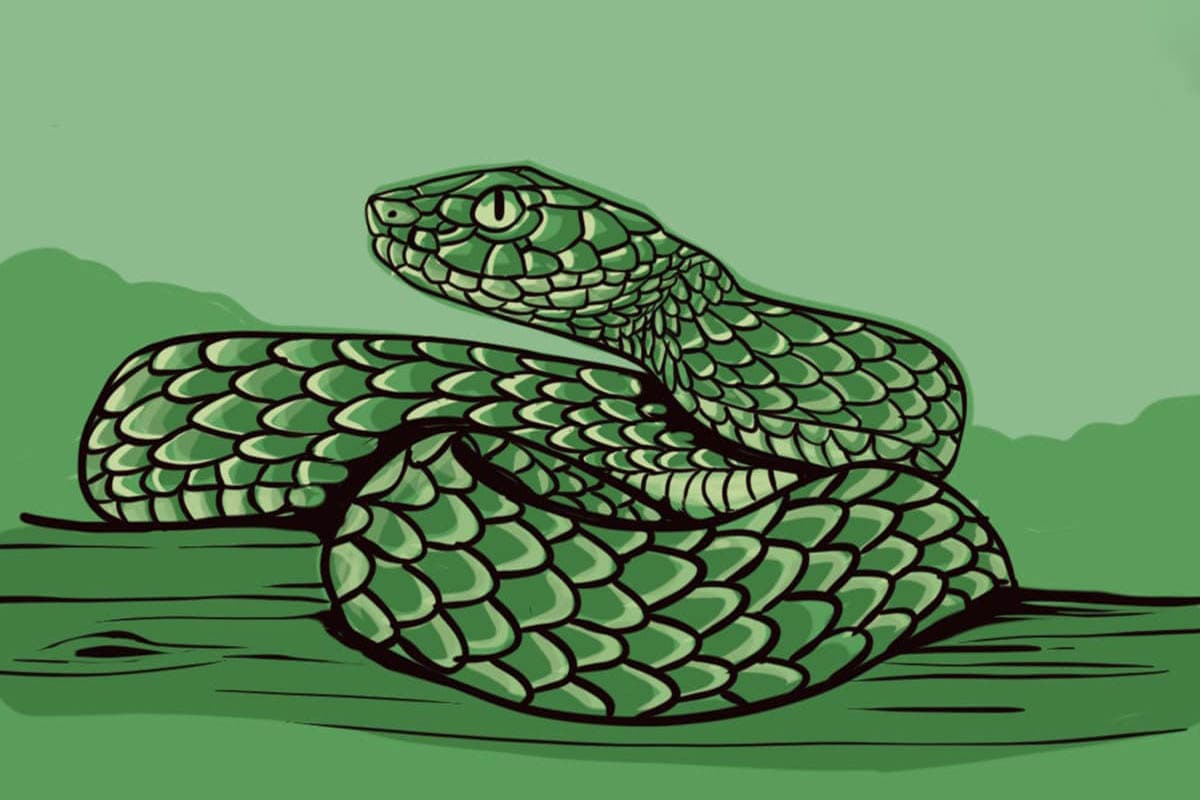
Snakes are wonders of nature with cylindrical bodies without limbs and body covered with scales. They descended from lizard-like ancestors who lost their limbs later.
Snakes are vertebrates under class reptilia, just like fishes, amphibians, birds and mammals. Scaly reptiles come under the group ‘Squamata’ which include lizards and snakes.
There are about 3600 species of snakes in the world spread over 20 families. Out of the 320 snakes found in India, Kerala has got more than 110 species of snakes under 12 families.
Classification- Main types of Snakes found in Kerala:
The scales of snakes are not elastic. They are also thick and not stretchable and that is why the snakes periodically shed their skin as they grow. They have a transparent protective membrane over their eyes, but no eyelids.
Snakes flick their forked tongue to collect chemical particles from the air and pass it to the Jacobson’s organ also known as the vomeronasal organ on the roof of the mouth from where it is further relayed to the brain.
SMany have Venom, and special teeth called fangs for delivering the venom. Some have pits that detect heat, or infrared rays, that help them to sense in the dark. A few sea-snakes have light-detecting organs in their tails. Snakes do not have external ears.
All snakes are predators that pursue, catch and eat prey. They are carnivores. Some are ambush predators, while others actively chase their prey. Some coil around prey animals and kill by suffocating them, while venomous ones kill by injecting venom.
Snakes swallow their prey whole as they don’t have the necessary mouth parts or teeth for chewing. Many snakes eat eggs, but later regurgitate the shell. Small snakes eat worms, insects etc while larger ones eat frogs, rats, fishes and birds. Very large ones like the Python prey upon larger animals including cats, dogs, jackals, and even deer’s. Several snakes feed on other snakes as well as snakes of their own species. King Cobra is one such snake which feed majorly on other snakes as well as other King Cobras.
Most snakes in India are Oviparous, which means that they lay eggs . In some, the eggs hatch inside the body of the female, they are Ovo-Viviparous. Some others are fully viviparous, which means they give birth to young ones.
Snakes have internal sex organs. Male snakes have a forked sex organ called hemipenis. In some species that can be felt as a lump at the base of the tail. The males may usually have a longer tail, too.
Snakes usually reproduce one or two times a year. The breeding season varies from place to place, depending on geography, rainfall, aridity, temperature, etc. Male snakes converge, attracted by the pheromones secreted by the female. Ritual fights or male male combat dance usually occur between males that are mistaken for mating by many. Lethal bites are very uncommon. It looks like a wrestling match and a dance rolled into one where both of them will be seen trying to get their head high above the other. These dances are seen with King Cobra, Krait, and many other snakes as well
Mating usually is a gentle process unlike the combat. The male will insert its hemipenis into the female’s cloaca and deposit sperms. This process may take hours.The female will lay eggs after 30 to 50 days. They can range in number from 5 or 6 to 40 or 50. The eggs are oval and leathery. They hatch in about 60 to 70 days.
Most snakes are not venomous. Only 18% of the total 110 species in Kerala are venomous and only 3% are deadly venomous. Some have very mild venom, just enough to kill their prey. Only very few have enough venom to kill large animals including human beings.
Venom is made in special glands situated in the mouth, behind the eye. They are modified salivary glands. The venom is secreted into the base of special teeth, and via grooves or actual hollow channels in the teeth, reaches the tip during a bite. Some snakes like Cobra, and Krait have short smaller fangs with forward grooves on either side of the front of upper jaw, and these are called Proteroglyphous. Solenoglyphous have long, hollow needle like fangs that are kept folded and pointed posteriorly. These are highly specialised and evolved fangs. Vipers are examples. Another group, called Opisthoglypha have fangs at the back of the jaw also known as rear-fanged. They are usually not dangerous, as their venom and bite are mild. Colubrids are of this type.
Some rare types of snakes like Red-necked Keelback are venomous and poisonous at the same time . They sequester poison from the toads that they feed on and store them in poison glands under the skin of the back of the neck. This is a defence against predators trying to catch it by the neck, with their teeth.
Fangs are shed and re-grown many times during the lifetime of a snake.
Snake venom is a mixture of many bioactive chemicals, mostly proteins. They are dangerous when they reach the bloodstream of the bitten animal. Some snakes have venom that predominantly affects the nervous system, and these are called ‘Neurotoxic’. Others have venom that mainly affects the clotting mechanism in the blood, and these are called ‘Hemotoxic’.
Cobra and Krait (elapidae) have Neurotoxic venom. The venom includes neurotoxin, cardiotoxin, cholinesterase, phospholipase A, hyaluronidase, proteases and histamine.
The venom of the Viper family has phospholipase-A,B,C,D, hyaluronidase, lecithinase, proteases, cytolysin, histamine, thromboplastin etc.
Most snakes have a mixture of many of the same chemicals. So, many have a mixture of neurotoxic and hemotoxic effects.
What we have to remember is that snakes use their venom to catch prey. Very rarely, they may be forced to use them for defence. If we are careful, we can avoid being bitten by them.
Snakes are an integral part of nature. It is crude to destroy them wantonly. Killing anything that is not useful to us is a primitive way of behaving. The fact that they can occasionally be dangerous, also lead people to kill them indiscriminately.
If snakes were not there, pests like rats would multiply. They are an indispensable part of natural food chains and if they are gone, the balance of nature can be affected in unpredictable ways. Many medicines like Cobroxin, Nyloxins and many treatments including cancer, cardiac issues, arthritis, stroke, anti snake venom etc depend on snake venom.
If snakes accidentally come into areas human habitations, it is our duty to return them to their natural habitat. This has to be done in a safe way, without endangering either humans or the snake. Catching them by their necks, handling them unnecessarily, making them vomit, and using them for display are crude and unadvisable. They are also against law and punishable offence under Wildlife Protection Act 1972. The new Snake Rescue and Rehabilitation Guidelines by the Kerala Forest Department clearly mentions that.
Snake rescue has to be done safely, using a hook, pipe and a large bag, with minimum handling. Then they can be set free in their natural habitat. This technique can be easily learned by anyone, and this is the way snakes have to be dealt with, when we encounter them near or where we live.